

Campervan Electrics.
Made Simple.
Adventure Ready.
Plan your campervan electrical system with confidence. From leisure batteries and solar panels to inverters, chargers and complete off-grid setups, CamperVoltHub helps you understand what you need before you spend.
Build a Better Campervan Electrical System
Whether you’re converting your first van, upgrading an ageing leisure battery or planning a serious off-grid electrical setup, getting the electrics right makes all the difference.
The problem? Campervan electrical equipment can be confusing. Battery capacity, solar wattage, MPPT controllers, DC-DC chargers, cable sizes and inverter ratings all need to work together.
That’s where CamperVoltHub comes in.
We break down complicated electrical subjects into practical, easy-to-follow guides, helping you understand your options, avoid expensive mistakes and plan a system that suits the way you actually use your campervan.
Start Exploring Campervan Electrics →Everything You Need to Power Your Campervan
Understand the main components of a campervan electrical system, how they work and what to consider before choosing equipment.
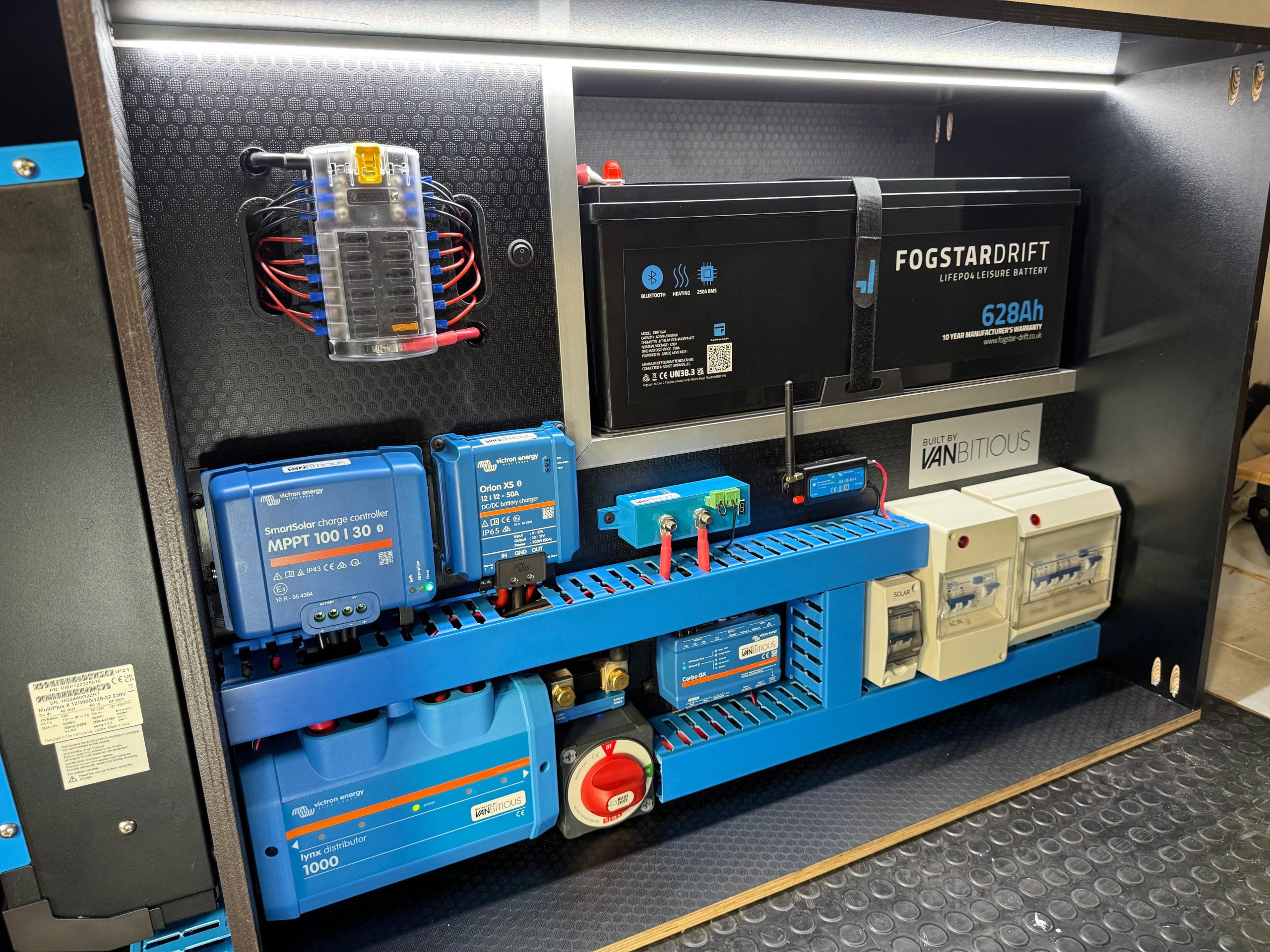
Campervan Leisure Batteries
Your leisure battery is the foundation of your off-grid electrical system. Learn how to compare AGM and LiFePO4 batteries, calculate usable capacity and understand charging requirements.
Explore Leisure Batteries →
Campervan Solar Panels
Solar can help keep your leisure battery charged when you’re away from electrical hook-ups. Understand panel types, solar sizing, UK weather performance and installation considerations.
Explore Campervan Solar →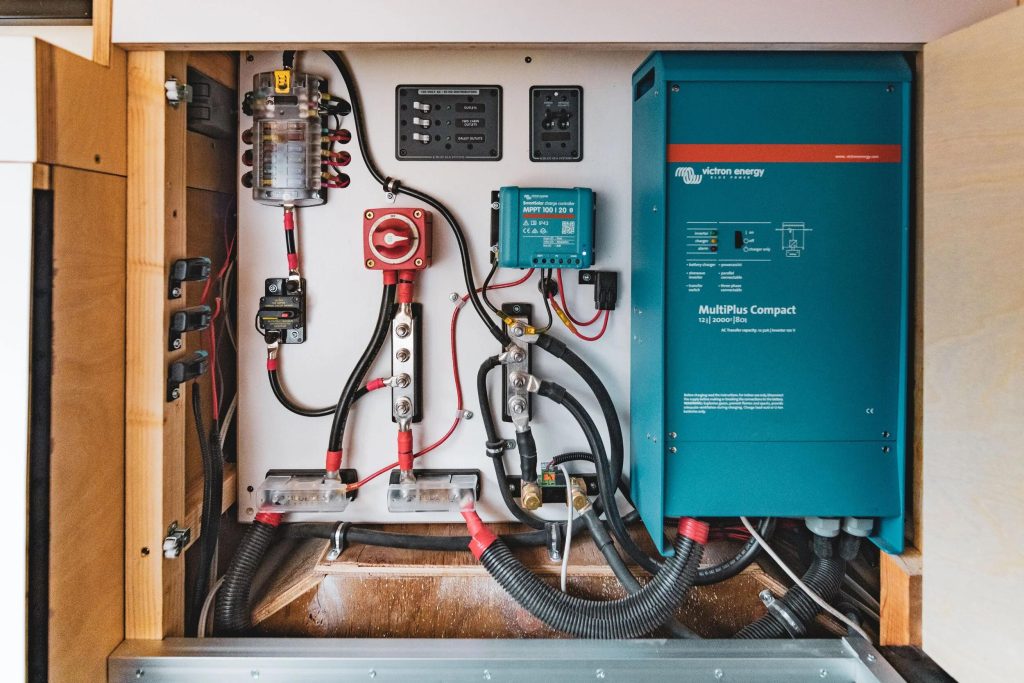
Campervan Inverters
Want to run mains appliances from your leisure battery? Learn how inverters work, the difference between continuous and surge ratings, and how to choose a suitable size.
Explore Campervan Inverters →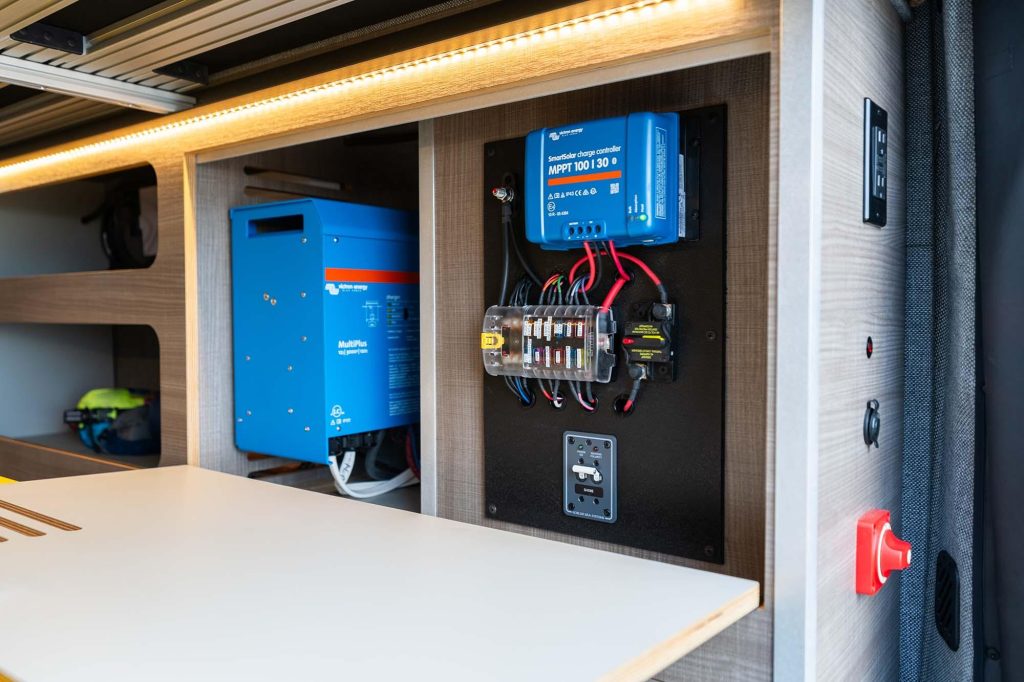
Complete Campervan Electrical Systems
Understand how batteries, solar panels, chargers, inverters, fuses and distribution equipment work together. Explore system layouts and important installation considerations.
Explore Complete Systems →Explore More Campervan Electrical Components
Once you’ve worked out your battery and solar requirements, these guides will help you understand the rest of the system.
Charge your leisure battery from the vehicle electrical system while driving.
MPPT Solar ChargersUnderstand solar charge controllers, sizing, panel voltage and battery compatibility.
Electrical System PlanningLearn how charging sources, batteries and distribution equipment work together.
Stop Guessing. Start Planning.
Before spending hundreds or thousands of pounds on electrical equipment, use our free tools to estimate what you need and visualise your installation.
Campervan Power Calculator
Estimate your daily electricity consumption, battery capacity and solar requirements from the appliances you use.
Open Power Calculator →Wiring Diagram Builder
Arrange electrical components visually and explore how a campervan electrical system can be laid out.
Open Wiring Diagram Builder →Electrical Board Builder
Plan where batteries, chargers, fuses and other electrical equipment could fit before starting your installation.
Open Electrical Board Builder →Having Campervan Electrical Problems?
Leisure battery not charging? Solar panels stopped producing power? Inverter beeping? Electrical faults can quickly ruin a trip. Explore practical guides to help identify common causes and decide what to check next.
Battery & Charging Problems
Understand common reasons a leisure battery may fail to charge or lose power unexpectedly.
Battery Charging Guide →Solar Charging Faults
Learn about shading, incorrect settings, wiring faults and MPPT controller problems that can prevent battery charging.
Explore Solar Troubleshooting →Inverter & 12V Faults
Explore blown fuses, voltage drop, inverter warnings and common 12V electrical issues.
Explore Electrical Faults →Build Your Electrical System in Four Steps
You don’t need to buy everything at once. A sensible electrical plan starts with understanding your needs, not choosing the biggest battery on the shelf.
Calculate Your Power Use
List your appliances and estimate daily consumption in watt-hours.
Choose Battery Storage
Work out how much usable battery capacity you need between charging opportunities.
Plan Your Charging
Consider solar, DC-DC charging and mains hook-up where appropriate.
Design the Installation
Check equipment compatibility, cable sizing, protection and installation safety.
How Much Does a Campervan Electrical System Cost?
From a basic weekend setup to a complete off-grid electrical system, discover the equipment and decisions that influence your overall conversion budget.
Practical Automotive Knowledge. Clear Electrical Advice.
CamperVoltHub is built around hands-on experience in the motor trade, automotive diagnostics and campervan electrical systems.
From working with vehicle wiring diagrams and diagnosing complex electrical faults to understanding the charging systems used in campervans and motorhomes, that practical background shapes the advice you’ll find here.
The aim is to make electrical topics easier to understand while keeping the important details in view: safety, compatibility, reliability and sensible system design.
Whether you’re new to campervan electrics or upgrading an existing setup, you’ll find guides designed to help you make better-informed decisions.
More About CamperVoltHub →Real-World
Experience.
Campervan electrics involve more than simply connecting a battery to a solar panel.
Understanding current, voltage drop, charging behaviour, cable protection and component compatibility matters.
Our goal is to explain those subjects clearly, without unnecessary jargon or one-size-fits-all recommendations.
More Freedom.
Less Worry About Power.
A well-planned electrical system can help you enjoy more time away from campsites, keep essential appliances running and make the most of your campervan adventures.
Start by working out what you actually need. The right equipment comes next.
CamperVoltHub — Powering Your Adventures.
A note about our recommendations: CamperVoltHub may earn a commission from qualifying purchases made through certain links, at no additional cost to you. This helps support our free guides and planning tools. Always check manufacturer specifications, electrical compatibility and installation requirements before buying or fitting equipment.